Navigating Today's Evolving Office Market Landscape
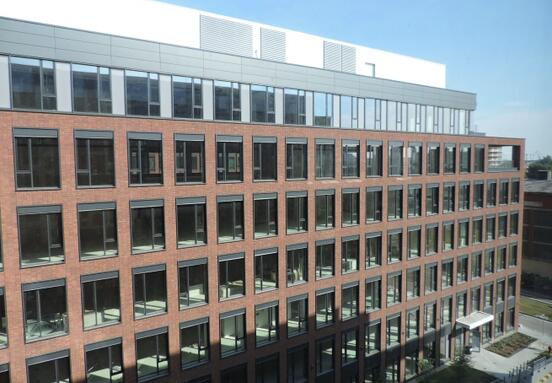
The office market is currently experiencing unprecedented shifts, presenting both challenges and opportunities for businesses seeking rental space. New construction has slowed to a 20-year low, yet vacancy rates, particularly in older, peripheral buildings, are soaring past 20% (with an overall average of 14.47%). This divergence creates a unique environment where A-class buildings remain attractive, often drawing large firms and institutions away from less modern alternatives.
This market dynamic significantly empowers tenants. Businesses now find themselves in a stronger negotiating position, leading to increased demands for costly, custom fit-outs and adherence to stringent ESG (Environmental, Social, and Governance) compliance standards. For landlords, this means adapting to a more tenant-centric approach, while for businesses, it signifies a prime opportunity to secure highly customized and compliant office solutions.
The Impact of AI on Future Office Needs
Looking ahead, artificial intelligence is poised to reshape the workforce and, consequently, office space requirements. While AI could potentially reduce the number of traditional office employees by 20-40%, it simultaneously fuels new demand, particularly from innovative startups seeking prime locations. This suggests a future where the demand for quality, strategically located office spaces remains, albeit with potentially altered occupancy patterns and a greater emphasis on collaborative and specialized functions.
Beyond Four Walls: The Modern Office as an Experience Hub
Tenant expectations have evolved dramatically. The days of simply needing a building administrator are fading; businesses now seek 'customer experience managers' who can foster vibrant community-building within the office environment. This shift underscores the growing popularity of 'office-as-a-service' models, where flexibility, shared amenities, and a focus on employee well-being are paramount. Modern offices are no longer just workplaces; they are destinations designed for interaction and collaboration.
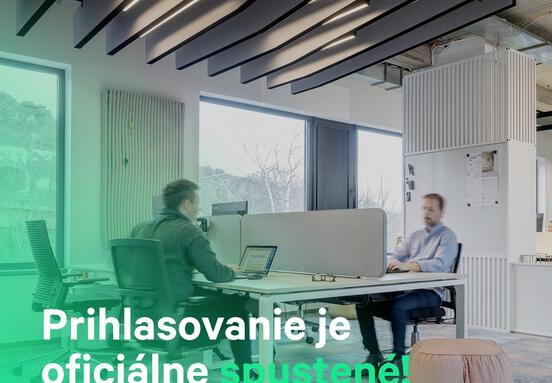
The emphasis is now firmly on creating pleasant, well-designed spaces that enhance productivity and engagement. Businesses are looking for environments that reflect their brand culture and provide a superior daily experience for their teams, understanding that the physical space plays a critical role in attracting and retaining talent.
What Employees Truly Seek in an Office Environment
A recent survey by NowyStyl highlights the critical role of office design in employer choice, with an impressive 86% of respondents stating that an attractive office is a key factor. Conversely, common deterrents include poor acoustics, lack of natural light, and inadequate ergonomics. These findings underscore that an appealing, comfortable, and functional workspace is no longer a luxury but a necessity for employee satisfaction and retention.
Employees value the office primarily as a place for meeting, socializing, and fostering company culture. They consistently prefer quality time with colleagues in a pleasant environment over superficial perks like free ice cream. This indicates that investment in the core elements of a great workspace – design, comfort, and functionality – yields a far greater return than short-lived, extrinsic incentives.
To maximize space functionality and cater to diverse working styles, the creation of micro-zones and flexible furniture arrangements are highly recommended. These adaptable layouts allow for various activities, from focused individual work to dynamic team collaborations, ensuring the office truly serves as a versatile hub for productivity and connection.
Securing Your Ideal Office Space in a Changing Market
For businesses looking to rent office space, the current market presents unique advantages. Leverage your stronger negotiating position to demand custom fit-outs and ensure ESG compliance. Prioritize spaces that understand and cater to the evolving 'customer experience' model, emphasizing community, flexible solutions, and superior design. By focusing on what truly attracts and retains employees—quality environments for collaboration and culture—you can secure an office space that not only meets your operational needs but also becomes a strategic asset for your business's future success.
Source: kancelarie.sk